
Culture Invigoration
When business reforms are implemented within a supportive culture, motivated and engaged employees are more likely to exceed objectives, drive innovation, and help organizations withstand challenges.
Continuous attention to organizational culture is essential and should not be postponed in favor of competing priorities. Patience is necessary, as cultural transformation is a long-term endeavor.

Executive Summary

Organizational culture serves as a significant influence within a company. It reinforces employees’ trust in their roles and sustains their motivation to achieve optimal performance. Workplace culture comprises the collective attitudes and beliefs regarding operational practices. Although it is not always explicitly recognized, culture affects all aspects of work, both completed and uncompleted, and is fundamentally centered on people.
Employees increasingly seek organizations whose values align with their own. A recent study found that 35% of American workers would decline a position, even if it were otherwise ideal, if the organizational culture conflicted with their personal beliefs. Additionally, 91% of managers consider cultural fit to be as important as, or more important than, a candidate’s education and expertise.
A recent poll indicates that 71% of employees would seek alternative opportunities if workplace culture deteriorated. Organizations that prioritize cultivating a strong culture and clearly defining their mission are more likely to retain existing employees and attract top talent. Employee devotion, connection, and enthusiasm can be evaluated by monitoring employee engagement, which reflects the strength of employees’ relationships with the organization. High levels of employee engagement consistently yield positive outcomes for the business as a whole.
A strong organizational culture that emphasizes collaboration, community, and diversity significantly enhances employee engagement. Studies indicate that employee engagement is up to 72% higher in organizations with robust cultures compared to those with weaker or misaligned cultures. he following section examines seven factors that underscore the importance of organizational culture.
It establishes both your business’s internal and external identity.
Consider the following exercise: List five characteristics that best reflect your firm’s culture. Examples include “good work-life balance,” “frequent meetings,” or “team-oriented.” Reflect on why each of these qualities is significant for your firm. Consider why a healthy work-life balance is essential for your business and why employees and customers value these cultural traits. An organization’s culture defines for you and for all others how your organization does business, how your organization interacts with one another, and how the team interacts with the outside world, specifically your customers, employees, partners, suppliers, media, and all other stakeholders. Because it embodies your corporate culture, it influences every aspect of your company. It shapes how colleagues and clients perceive your organization, serving as both its identity and image.
Organizational culture encompasses the adherence to a business’s guiding principles.
A company’s essential beliefs are often reflected or contradicted by its organizational culture. Operations, workflow management, teamwork, and customer service practices collectively shape an experience that should embody the company’s identity and operational philosophy. Thus, organizational culture represents a company’s principles in practice. A misalignment between professed ideals and organizational culture presents a significant issue. Such inconsistency may lead employees to perceive stated core values as insubstantial or merely rhetorical. A strong corporate culture ensures that fundamental principles guide all daily activities and organizational decisions, resulting in substantial benefits.
Employees as Supporters or Detractors of Organizational Culture
A primary advantage of an effective corporate culture is its ability to transform employees into advocates for the organization. Beyond reliable income and adequate benefits, employees seek a sense of purpose in their work. When employees feel valued, they are more likely to become culture ambassadors. These individuals contribute to, advocate for, and embody the organizational culture both within and outside the company. One effective strategy to achieve this outcome is to reward exceptional performance. A culture that recognizes and rewards both team and individual achievements, and provides appropriate credit, fosters a sense of accomplishment. This approach encourages employees to become champions of the organizational culture. However, if the workplace culture does not support these practices, the organization risks attracting negative attention.
A strong organizational culture contributes significantly to retaining top talent.
Employees who perceive themselves as part of a community, rather than merely functional components, are more likely to remain with an organization. This sense of belonging is a key attribute sought by most job seekers. High-performing employees often attribute their retention to the quality of interpersonal relationships within the organization. A people-centered business culture enhances engagement, provides a distinctive employee experience, and fosters a strong sense of community among staff. Recruiting individuals who align with the organizational culture is an effective strategy for attracting high performers who naturally promote and sustain that culture.
A strong organizational culture substantially enhances the effectiveness of the onboarding process.
Organizational culture serves as a unifying factor, particularly for new employees who carefully assess the environment they are entering. Presenting organizational culture during onboarding provides new employees with essential guidance and direction. Individuals often encounter challenges in new professions due to difficulties with organizational fit, performance, or adaptation to future changes. Effective onboarding programs should address these needs, facilitate assimilation into the organizational culture, and support accelerated progress.
Organizational culture is essential for fostering a cohesive team dynamic.
Effective organizational cultures foster unity and maintain alignment throughout the workforce. A clearly defined culture enables individuals from diverse backgrounds to collaborate toward shared objectives. Additionally, organizational culture establishes standards for employee behavior, collaboration, and team performance. In this way, organizational culture can reduce barriers between siloed teams, guide decision-making, and improve overall workflow. Conversely, a toxic organizational culture may undermine these outcomes.
Organizational culture influences both productivity and employee satisfaction.
Reports indicate that corporate culture directly impacts organizational performance and, more importantly, employee satisfaction. Addressing these concerns requires cultivating a healthy culture grounded in shared business values. Placing excessive emphasis on performance while neglecting employees’ physical and emotional well-being is generally detrimental to organizations. Although exceptions may occur, this imbalance typically results in adverse business outcomes. Employee well-being strategies can bring significant benefits to employees and employers alike, but they need to be introduced in the right way, for the right reasons. For such methods to be effective, they must be developed holistically and aligned with a supportive organizational culture. This approach involves adaptive management practices, flexible work arrangements, and an open environment that enables employees to contribute to shaping the workplace.
Conclusion
The growing prominence of corporate culture as a topic of discussion and development is a primary driver of organizational change. An increasing number of businesses are prioritizing the creation and ongoing enhancement of comprehensive brand cultures. This trend is partially driven by heightened discourse surrounding corporate culture. Empirical studies indicate measurable increases in employee turnover among organizations with weak or absent cultures, and entrepreneurs frequently reference culture in informal discussions. It may appear that increased attention to corporate culture reflects prevailing industry trends. However, competing organizations are actively leveraging strong cultures to attract talent and secure clients. Failure to differentiate or maintain a robust culture may result in diminished competitiveness.
The entrepreneurial community has benefited from several significant developments introduced by the modern startup economy. Contemporary business owners now have access to extensive digital resources for establishing new ventures. These businesses, particularly within the information technology sector, often experience rapid success or failure. As a result, market differentiation has become increasingly important, especially in highly competitive industries. This environment compels entrepreneurs to identify key factors that encourage employee retention beyond short-term assignments.
Each organization possesses a unique culture, and there is no universal standard for an ideal one. However, maintaining a strong, consistent, and enduring set of values is essential for future competitiveness. The significance of organizational culture is expected to increase over time.
Methodology

Cultural invigoration represents a purposeful process of organizational self-discovery, providing an opportunity to reflect on our core identity, culture, and defining characteristics. Through structured workshops, we will identify our organization’s distinctive attributes, strengths, and areas for development. As we plan for the future, we will articulate the ideal culture we aspire to create, guided by a clear vision statement. Defining our Executive Ethos is essential for effective cultural leadership, and we will establish the appropriate style, scope, and frequency of coaching to support this transformation. We will formulate a comprehensive plan to manage cultural change, set measurable metrics to track progress, and implement targeted communication strategies to ensure transparency. Leadership’s commitment to cultural transformation will be communicated throughout the organization, and we will review our organizational structure to ensure alignment with our objectives. The success of our culture transformation program depends on the engagement of champions who are committed to cultural change; we will identify and onboard these individuals to support our efforts. A learning and development plan will be designed to align with our transformation goals, and our recognition program will acknowledge excellence and reinforce the desired cultural behaviors. We recognize the challenges associated with change and are committed to supporting those who may encounter difficulties, while continuously refining our approach to ensure successful outcomes. By working collaboratively, we can achieve a thriving organizational culture characterized by growth, excellence, and collaboration.
Strategies for Strengthening Organizational Culture
Investing in organizational culture is consistently beneficial, as research indicates that companies with strong work cultures achieve employee satisfaction rates that are 20% higher. This improvement is associated with increased productivity and enhanced work quality.
The Role of Management
Cultural shifts often generate initial enthusiasm among management, similar to other organization-wide initiatives. However, sustaining this enthusiasm throughout the transformation process is frequently challenging. It is essential that all top executives and members of management assume responsibility for the process and remain actively engaged. The following strategies can help establish a strong cultural foundation within your organization:
People
Regardless of the quality of a product or service, organizations that do not invest in recruiting and retaining suitable employees are unlikely to succeed. Inadequate staff training often highlights the need for an open forum where employees feel comfortable sharing their perspectives. Many employees are hesitant to approach management, indicating a need for organizational change. It is essential to foster open communication within the workplace. Clearly articulating organizational goals and objectives is crucial. Many employees are often unaware of their company’s vision, purpose, and values, which is a common issue. Management should consistently communicate the organization’s vision, mission, and values to staff. This practice can enhance employee engagement, motivation, and attentiveness, especially during interactions with larger groups.
Effective Collaboration
Collaboration is fundamental to the development of high-performing teams. It is crucial for team members to remain attentive to interpersonal cues and to identify the underlying causes of any emerging negative perceptions.
The Role of Leadership Support
Organizational leadership significantly influences team empowerment. Team members are more likely to feel comfortable approaching leaders when an open-door policy is implemented, allowing individuals to visit any leader’s office for discussion. Additionally, adopting a communal seating arrangement in which all employees and leaders work together in an open space can help eliminate a hierarchical office culture.
Organizational Openness
A lack of openness and procedural transparency often leads to employee demotivation. It is essential to inform employees about current and potential activities, foster a sense of ownership, and clearly communicate the significance of their roles. Recognizing and respecting employees’ contributions fosters a more engaged and motivated workforce.
Reward Systems
The design of a reward system is complex, as it must incorporate both experiential and financial benefits. To accommodate participants’ diverse preferences, the system should offer a broad array of options. Effective implementation may involve regular internal assessments of management and workplace culture, periodic reviews of the incentive program, and collaboration with external partners.
Key Challenges
A lack of challenging roles can lead to decreased employee morale and increased talent attrition. When implemented effectively, challenging objectives can maximize employee potential and enhance engagement and retention. For example, regular cross-mapping of staff across various positions can foster new insights and innovative ideas. When introducing new technology programs, employees must understand the rationale behind the changes and be adequately prepared for the transition. However, excessive or continuous change initiatives may ultimately reduce productivity.
The Importance of Flexibility
Corporate practices have undergone a significant transformation since COVID-19. Adaptability has shifted from being optional to essential. Balancing an engaging, challenging, and flexible work environment can enhance employee morale and productivity.
The Importance of Diversity
Diversity and inclusion are essential components that foster opportunities, innovative ideas, and creativity. These elements enhance employee engagement and facilitate adaptation to evolving social dynamics, enabling a range of perspectives to contribute to organizational success.
Strategies for Revitalizing Innovation in Stagnant Organizations
An organization’s learning environment significantly influences its capacity for innovation. Without a culture that supports the exchange of ideas, professional development, and open dialogue, innovation cannot thrive. Collaborative openness is essential to fostering such an environment. Organizational stagnation often results from resistance to change, rigid compartmentalization, and neglect of continuous learning. Unconditional learning should be regarded as a fundamental element in cultivating a learning-oriented culture, although it can be challenging to implement. Consequently, every interaction and exchange of ideas presents a learning opportunity. Even individuals initially resistant to change may acquire new insights if they maintain an open mindset.
Consider the prevailing organizational mindset.
Successful organizational change initiatives require a workplace culture that is open, honest, collaborative, and supportive of sharing and exploring new ideas. Rigid adherence to traditional practices, as exemplified by the statement, “Well, this is how we have always done it, so we are sticking to it,” can hinder progress. Although cultural transformation is often challenging, environments that encourage risk-taking, recognize the benefits of failure, and celebrate success can evolve from stagnant to dynamic and innovative. Innovation typically emerges in the absence of fear. Organizations should embrace change and facilitate collaboration across departments and groups. Recognizing the importance of a welcoming and transparent environment is essential. According to an article in Psychology Today, several underlying factors contribute to organizational resistance to change, and leaders can address these barriers by demonstrating empathy toward employees’ emotions.
Fostering a Trust-Based Organizational Environment
For creativity to flourish, employees must perceive the organizational culture as trustworthy, where sharing ideas is safe, and individual perspectives are valued. Innovation is further supported when all members demonstrate mutual respect and awareness in their interactions. Recognizing the diversity of personalities within the workplace is essential; Forbes identifies nine distinct types, each with unique needs that must be addressed to foster a sense of belonging. Once trust is established, employees are empowered to experiment, collaborate, transcend boundaries, implement flexible processes, and contribute to dynamic organizational growth. Such a culture inherently fosters an environment where creativity is both possible and anticipated.
The Importance of Recognizing Small Victories
Employee recognition is fundamental to fostering creativity within organizations. Research indicates that employees value verbal encouragement and expressions of gratitude for their efforts more than tangible rewards such as salaries, benefits, or bonuses. Recognizing achievements, including those derived from learning through failure, contributes to increased knowledge and understanding. Consistently encouraging and acknowledging minor victories cultivates a sustained sense of progress and organizational strength.
Promote a culture of extensive experimentation.
Failure and experimentation serve as essential drivers of innovation. Both positive and negative outcomes offer valuable opportunities for organizational learning. To foster innovation, organizations should empower employees to explore novel approaches and support professional growth by cultivating a culture of affirmation rather than restriction. This approach is critical when planning future initiatives.
The Role of Content in Revitalizing Organizational Culture
Sharing organizational success stories not only strengthens corporate culture and generates engaging content but can also boost profitability. The advantages for participating companies are amplified as more individuals are engaged through a story-driven content strategy. Communicating experiences, ambitions, and achievements within an organization fosters a mutual understanding and respect. This approach facilitates collaboration and enhances overall organizational effectiveness. The introduction of narrative-driven initiatives can yield unexpected benefits. For example, a leading business school launched a 50-year retrospective, publishing several articles that highlighted its achievements. While these materials were distributed externally, they also served an internal purpose. During weekly meetings, the project manager asked each team member to present on one of the themes, enabling deeper engagement with the institution’s accomplishments and mission. Although this outcome was not the original objective, the process of developing these stories enhanced the project’s overall impact.
Enhancing Organizational Communication
A contemporary approach to communication integrates both internal and external messaging. Content developers now prioritize materials that address the requirements of diverse organizational audiences. Stakeholders seek to understand both the achievements of individuals and the motivations underlying their actions, rather than merely observing a photograph of an award recipient. Highlighting employees’ expertise and the dedication that supports their performance can strengthen internal relationships and generate external interest in the organization. For stakeholders to engage meaningfully, they must understand how the organization fits within a broader context, including its history and future direction. A robust content strategy can facilitate this understanding, provided it receives support from leadership at all levels.
Motivating Employees for Organizational Success
While not every article will reach a broad audience, journalists consistently seek compelling stories in diverse contexts. Many organizations possess untapped narratives that, if strategically shared, can enhance corporate profiles, improve search engine visibility, and strengthen brand recognition among customers. Employees’ dedication drives organizational success at all levels. From senior leaders who may feel disconnected from marketing teams to frontline staff who are deeply committed to their roles, unlocking this collective potential is essential for sustained growth. Business scholars suggest that sharing organizational stories can foster a positive corporate culture when employees perceive their contributions as valued and recognize their role in collective achievements, thereby increasing motivation and engagement, which, in turn, enhances organizational performance and profitability.
Conclusion
Culture and strategy are mutually reinforcing in several respects. As Peter Drucker states, “culture eats strategy for breakfast,” indicating that even the most effective strategies will not motivate teams to exceed their comfort zones if the organizational culture does not support change and accept failure. When business reforms are implemented within a supportive culture, motivated and engaged employees are more likely to exceed objectives, drive innovation, and help organizations withstand challenges. Continuous attention to organizational culture is essential and should not be postponed in favor of competing priorities. Patience is necessary, as cultural transformation is a long-term endeavor. Reassessing and prioritizing organizational culture remains crucial for achieving outcomes that extend beyond anticipated technological advancements.
Curriculum

- Workshop 1 Corporate ID
- Workshop 2 Future Vision
- Workshop 3 Executive Ethos
- Workshop 4 Organization ID
- Workshop 5 Vision Statement
- Workshop 6 Coaching Culture
- Workshop 7 Motivation Catalysts
- Workshop 8 Investor Alignment
- Workshop 9 Customer Engagement
- Workshop 10 Leadership Development
- Workshop 11 Leadership Cascade
- Workshop 12 Organization Structure
Program Objectives Workshop 1











Corporate ID
Conduct workshops to determine the organization’s core identity, culture, and defining characteristics.
Program Objectives Workshop 2





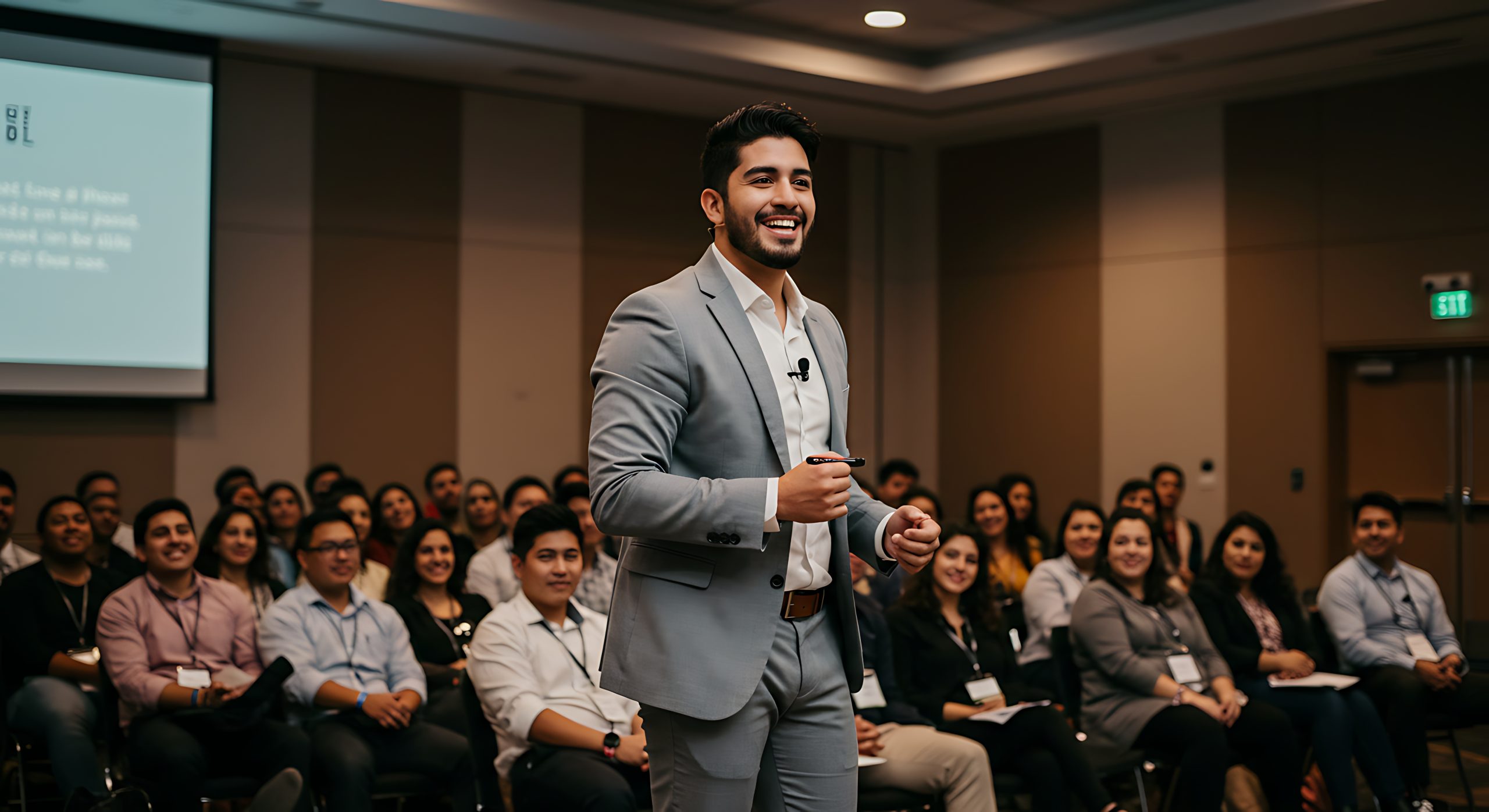






Future Vision
An exercise in articulating a future vision and identifying the optimal organizational culture to establish.
Program Objectives Workshop 3












Executive Ethos
Unveiling Executive work ethos
Program Objectives Workshop 4












Organization ID
Conduct culture assessments to identify team motivations, strengths, and development areas.
Program Objectives Workshop 5












Vision Statement
Develop updated vision and mission organization statements.
Program Objectives Workshop 6












Coaching Culture
Establishing appropriate style, scope, and frequency of coaching within the organization.
Program Objectives Workshop 7











Motivation Catalysts
Utilize relevant assessments to identify and map team motivation.
Program Objectives Workshop 8












Investor Alignment
Aligning investor expectations with corporate strategies.
Program Objectives Workshop 9












Customer Engagement
Analysis of the current sales and marketing strategy implemented to sustain customer engagement.
Program Objectives Workshop 10











Leadership Development
Complementing coaching with developed internal mentorship programs.
Program Objectives Workshop 11












Leadership Cascade
Approach for engaging organizational leaders and obtaining their support for cultural transformation.
Program Objectives Workshop 12












Organization Structure
Evaluate and develop strategic reorganization or recruitment requirements as necessary.
Achievements

Led the digital transformation strategy for a multinational company and streamlined operations in more than 20 countries. This work increased operational efficiency by 35% and reduced costs by 25%, helping our product line become a leader in digital innovation in the industry.

Led the design and rollout of an R&D cultural transformation program for a Fortune 500 company. This effort reshaped the R&D process to align with strategic goals, resulting in a 50% boost in process efficiency and a 40% reduction in product launch time over two years.
In the year after the program launched, turnover among leaders and managers fell to under 8%, down from 17% in the previous three years. This also led to a 15% increase in employee satisfaction with leadership and a 10% drop in overall employee turnover compared to the last two years.
According to the global CEO, Digital transformation implementation was embedded three times as quickly as they would have. The global CEO reported that digital transformation was implemented three times faster with the Digital Leadership program, giving the company a strong competitive edge. Over the next year, the company kept a record number of customers and saw significant growth in new revenue, along with double-digit increases in both revenue and margin. Encouraging innovation throughout the organization also helped improve financial results.

Created and led a certified executive coaching program that organizations around the world have adopted. This program has helped more than 150 executives achieve their personal, leadership, and professional goals, resulting in clear improvements in performance and workplace culture.